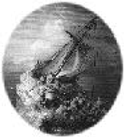
Part 5 After the Storm Has Passed
How Suffering Changes Us
J.E. Rose
They were greatly afraid, and said to one another, “Who then is this, that even the wind and the sea obey him?”(Mark 4:41)
The central problem for the disciples in their storm was a failure to understand Jesus himself and, by implication, to trust him like they should. How do we know? Listen in on their whispers to each other after the storm passed by: “Who is this that even the wind and the sea obey him?” They thought they knew Jesus. But they didn’t. And it so happens this is our problem as well.
To be precise, the disciples had been with Jesus for some time now and had some knowledge of him. They thought they knew who he was. Bible teachers generally agree that the events that night on Galilee took place near the end of his second year of public ministry. This means the disciples had been with him for nearly two years. They had eaten together. They had heard his sermons and parables. They had watched him perform miracles throughout Israel. When they asked, “who is this?” it was even more shocking because they thought they knew him.
There a similar moment of insight in the familiar story of Job, in his storm. After all the adversity, the confusion and the frustration (41 chapters of it), there is a pivotal moment when Job, like the disciples, finally understands God’s purpose in all his misery:
Then Job answered Yahweh:2 “I know that you can do all things,and that no purpose of yours can be restrained. 3 You asked, ‘Who is this who hides counsel without knowledge?’ therefore I have uttered that which I didn’t understand, things too wonderful for me, which I didn’t know. 4 You said, ‘Listen, now, and I will speak I will question you, and you will answer me.’ 5 I had heard of you by the hearing of the ear, but now my eye sees you (42:1-5)
Like Job, the disciples thought they knew God but their knowledge was inadequate especially for the new challenges before them. Job realized that it wasn’t just inadequate but in many ways incorrect. He had been talking about “things too wonderful for me” to understand. He even explains how this happened: relying more on what he heard from others than what he saw face to face. To put it in our terms, his knowledge of God was more “hearsay” rather than “personal.” it was more “informational” than “relational.”
Just because we have learned many things about God and the Bible doesn’t mean we have experienced the truth of them. Bible teachers sometimes distinguish three kinds of religious knowledge.
I Notice It Knowledge (Notitia) God uses suffering to heighten our self-knowledge: our awareness . We begin to notice things about ourselves and our circumstances we did not before.
I Agree With It Knowledge (Assensus) God also expands our understanding of meaning and purpose. "Agreement" in knowledge means we seek to align what we see (notice) with what we believe.
I Trust it Knowledge (Fiducia) God's purpose for suffering is always related to a deeper relationships with him and that requires a greater trust and obedience.
It’s important to realize that these three kinds of knowledge are like building blocks or stepping stones. We cannot have fiduciary knowledge until we have notitia and assensus. Though in their two years the disciples had acquired a great deal; of notitia and assensus in their relationship with him, Jesus the wise teacher knew now was the time for another step. They must learn to trust him in the storm.
Study Guide
1. The central problem for the disciples in their storm was a ____________________ to _________________________ ____________________ ___________________ and by implication, to ____________________ __________________ failure to ______________ him like they should
2. When they asked, “_______________ ______ _____________?” it was even more _____________________ because they _______________they _______________ ____________.
3. Like _________________, the ____________________ thought they knew ___________ but their knowledge was inadequate especially for the ____________
____________________before them.
Reflection Questions
Evaluate your own knowledge of God and how it has developed using the three building blocks of knowledge:
My “I Notice Knowledge” of God in my Storm
My “I Agree Knowledge” of God in my Storm
My “I Trust Knowledge” of God in my Storm
Storm School - Click here to explore more topics related to this lesson